
You might not notice it at first.
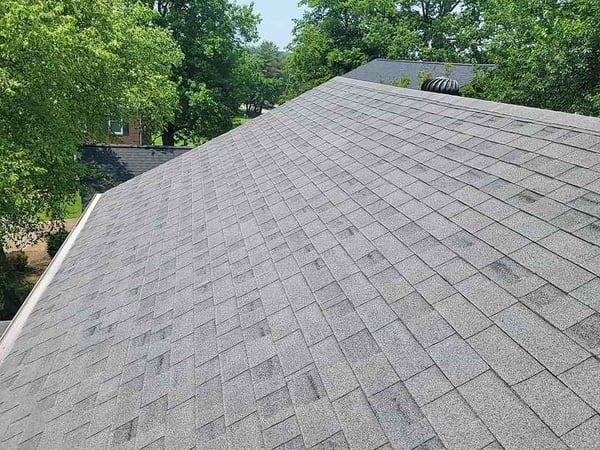
Maybe it starts with a small pile of sand-like material in your gutters. Or you spot darker patches on your shingles that weren’t there before. It doesn’t seem urgent—until it becomes something bigger.
If you’re seeing granules in your gutters or noticing changes in your shingles, Signature Roofing Co can inspect your roof and determine whether it’s normal wear or a sign of something more serious.
Because here’s the truth most homeowners don’t realize:
Granule loss is one of the earliest—and most important—signals your roof is starting to break down.
What Are Roof Granules (And Why They Matter So Much)
Those small, sand-like particles on your shingles aren’t just there for appearance.
Granules serve several critical purposes:
- They protect shingles from UV rays
- They add a layer of fire resistance
- They help regulate roof temperature
- They provide durability against weather
Without granules, shingles are exposed—and once that protection is gone, deterioration speeds up quickly.
Why Roofs Naturally Lose Granules Over Time
Some granule loss is completely normal.
As shingles age, exposure to:
- Sunlight
- Rain
- Wind
- Temperature changes
gradually wears down the surface.
This is part of the natural aging process.
However, the rate and amount of granule loss is what determines whether it’s normal—or a problem.
When Granule Loss Becomes a Problem
There’s a big difference between gradual wear and accelerated deterioration.
Granule loss becomes concerning when you notice:
- Large amounts in gutters or downspouts
- Visible bald spots on shingles
- Uneven or patchy roof appearance
- Rapid changes over a short time
These signs indicate your roof may be aging faster than expected—or failing in certain areas.
Middle Tennessee Weather Plays a Big Role
In Middle Tennessee, roofing systems face a unique combination of environmental stress.
The region’s weather includes:
- Hot, humid summers
- Sudden temperature shifts
- Heavy rain and storms
- Occasional freezing conditions
These factors create a cycle of expansion, contraction, and moisture exposure.
Over time, this accelerates granule loss more than in milder climates.
UV Exposure Is a Silent Contributor
Sunlight is one of the most consistent forces acting on your roof.
UV rays slowly break down the materials in shingles, weakening the bond that holds granules in place.
As this bond weakens:
- Granules begin to loosen
- Shingles lose protection
- Heat absorption increases
This creates a cycle where the roof deteriorates faster over time.
Poor Ventilation Can Speed Up Granule Loss
Many homeowners don’t realize that attic conditions affect the roof above.
If your attic traps heat, it can cause shingles to overheat from underneath.
This added stress can:
- Accelerate aging
- Dry out materials
- Increase granule loss
Proper ventilation helps regulate temperature and reduce this impact.
Installation Quality Matters More Than You Think
Granule loss can also be influenced by how the roof was installed.
Improper installation can lead to:
- Uneven wear patterns
- Poor adhesion of materials
- Premature aging
Even small mistakes during installation can shorten the lifespan of your roof.
What Happens After Granules Are Gone
Once granules are lost, shingles become much more vulnerable.
Without that protective layer:
- UV rays directly hit the material
- Shingles dry out and crack
- Water resistance decreases
- Overall durability drops
At this stage, the roof becomes more susceptible to leaks and structural damage.
Early Signs Homeowners Often Miss
Granule loss doesn’t always start with obvious damage.
Subtle signs include:
- Slight discoloration
- Small patches of darker shingles
- Minor buildup in gutters
- Reduced “texture” on shingles
These early indicators are often overlooked—but they’re important warning signs.
Why Waiting Can Get Expensive
Many homeowners wait until they see major damage before taking action.
The problem is, by that point:
- Repairs may be more extensive
- Interior damage may have started
- Replacement may be necessary sooner
Addressing granule loss early can extend the life of your roof and reduce costs.
How Roof Inspections Help
A professional roof inspection can determine whether granule loss is:
- Normal aging
- Localized damage
- A sign of larger issues
Roofing professionals look at:
- Shingle condition
- Distribution of wear
- Ventilation systems
- Overall roof performance
This allows for accurate recommendations.
Why Homeowners Choose Signature Roofing Co
Signature Roofing Co works with homeowners across Middle Tennessee to protect and maintain roofing systems.
Homeowners trust Signature Roofing Co for:
- Detailed inspections
- Honest assessments
- High-quality repairs
- Reliable service
By focusing on early warning signs like granule loss, they help prevent bigger problems.
Don’t Ignore What Your Roof Is Telling You
Granule loss might seem like a small detail—but it’s one of the clearest indicators of your roof’s condition.
Catching it early gives you more options, more control, and fewer surprises.
If you’ve noticed changes in your shingles or debris in your gutters, it’s worth taking a closer look.
Contact Signature Roofing Co today to schedule a professional roof inspection and protect your home.
FAQ Section
Is granule loss normal on roofs?
Some loss is normal, but excessive or uneven loss can indicate a problem.
Why are there granules in my gutters?
They often come from shingles wearing down over time.
Can granule loss lead to leaks?
Yes. It reduces protection and increases the risk of water intrusion.
How do I know if my roof needs repair or replacement?
A professional inspection can determine the extent of the issue.


