
Middle Tennessee homeowners often think of storms or wind when they worry about roof damage. However, one of the most constant threats to roofing systems in this region is something far less dramatic: humidity. The warm, moisture-heavy air common in Tennessee can gradually affect shingles, decking, and attic conditions over time. If you want to make sure your roof is holding up against Middle Tennessee’s humid climate, schedule a professional roof evaluation with Signature Roofing to catch small issues before they become costly repairs.
Unlike sudden storm damage, humidity works slowly. Over months and years, excess moisture can affect roofing materials in ways many homeowners never notice until visible problems appear. Understanding how humidity impacts your roof can help you protect one of the most important parts of your home.
Why Humidity Is So High in Middle Tennessee
Middle Tennessee sits in a climate zone where warm temperatures combine with frequent moisture in the air. During much of the year, especially late spring through early fall, humidity levels can remain elevated for long periods.
This environment means roofs are exposed to:
- Moisture-heavy air
- Warm temperatures that accelerate material aging
- Condensation buildup in attic spaces
- Slow drying after rainfall
Because humidity is present even when skies are clear, roofing systems experience constant moisture exposure.
How Humidity Affects Roofing Materials
Roofing materials are designed to withstand weather conditions, but prolonged moisture exposure can gradually weaken them.
High humidity can contribute to:
- Granule deterioration on shingles
- Moisture absorption in roof decking
- Faster aging of roofing materials
- Reduced overall roof lifespan
When shingles remain damp for extended periods, the protective surface begins to break down more quickly.
The Role of Attic Ventilation
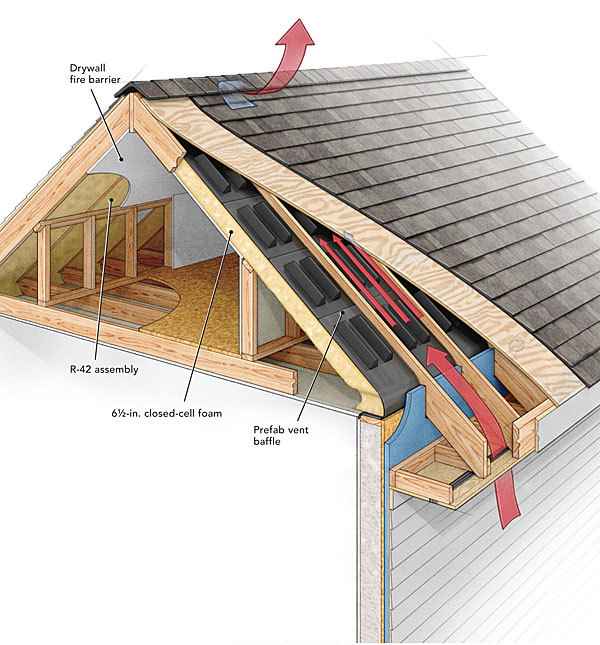
One of the most important defenses against humidity damage is proper attic ventilation.
Ventilation allows warm, moist air to escape from the attic space instead of becoming trapped beneath the roof deck.
Without adequate airflow, humidity can accumulate inside the attic. This trapped moisture can lead to:
- Condensation on roof decking
- Mold or mildew growth
- Warped or weakened wood structures
Balanced intake and exhaust ventilation systems help maintain a healthier roofing environment.
Condensation: The Hidden Problem
Condensation forms when warm, humid air meets cooler surfaces inside the attic. This process often occurs during seasonal temperature shifts.
When condensation forms on roof decking, moisture can soak into wood materials over time. Because this process happens out of sight, many homeowners are unaware of the issue until damage becomes more noticeable.
Early signs may include:
- Musty attic odors
- Dark spots on wood surfaces
- Insulation becoming damp
Routine inspections help identify condensation problems before they worsen.
Why Shingles Age Faster in Humid Climates
Shingles rely on protective granules to shield them from sunlight and environmental exposure. However, humidity can accelerate the loss of these granules.
When granules begin to deteriorate:
- Shingles lose protective coverage
- UV exposure increases
- Material flexibility decreases
- Cracking becomes more likely
Over time, this process shortens the lifespan of the roofing system.
Moss and Algae Growth
Humidity also creates ideal conditions for moss and algae growth on roofing surfaces.
These organisms thrive in warm, damp environments and often appear as dark streaks or patches on shingles.
Although algae may begin as a cosmetic issue, it can eventually trap moisture against the roof surface, which accelerates shingle deterioration.
Regular roof inspections help determine whether discoloration is purely cosmetic or a sign of deeper wear.
Protecting Your Roof from Humidity Damage
While humidity cannot be eliminated, homeowners can take steps to reduce its impact on roofing systems.
These steps include:
- Maintaining proper attic ventilation
- Scheduling routine roof inspections
- Addressing minor repairs quickly
- Ensuring gutters drain water effectively
These preventative measures help roofing systems dry properly and remain structurally sound.
Why Professional Roof Inspections Matter
Because humidity damage often develops gradually, many roofing issues begin long before homeowners notice visible signs.
A professional roof inspection evaluates:
- Shingle condition
- Ventilation performance
- Roof decking health
- Moisture presence in attic spaces
- Overall roof lifespan
Identifying early warning signs helps prevent more extensive repairs later.
Why Homeowners Trust Signature Roofing
Signature Roofing provides homeowners throughout Middle Tennessee with roofing expertise designed for the region’s unique climate conditions.
Homeowners rely on Signature Roofing for:
- Thorough roof inspections
- Honest recommendations
- High-quality workmanship
- Reliable roofing solutions
By focusing on long-term protection rather than temporary fixes, Signature Roofing helps homeowners protect their investment.
Schedule Your Roof Inspection Today
Middle Tennessee humidity may not cause immediate roof damage, but its long-term effects can gradually weaken roofing systems.
If your roof has not been inspected recently, now is a good time to ensure everything is performing as it should.
Contact Signature Roofing today to schedule a professional roof inspection and protect your home from hidden moisture damage.
FAQs
Can humidity really damage a roof?
Yes. Over time, prolonged exposure to humid conditions can weaken shingles, encourage algae growth, and contribute to moisture buildup in attic spaces.
How can I tell if humidity is affecting my roof?
Signs may include algae streaks, musty attic smells, damp insulation, or early shingle deterioration.
Does attic ventilation help reduce humidity damage?
Yes. Proper ventilation allows moist air to escape the attic, reducing condensation and protecting roofing materials.
How often should a roof be inspected in Tennessee?
Most experts recommend a professional roof inspection at least once a year and after major weather events.


